
GIC202 TRW Warning Contact, brake pad wear
MPN:
GIC202
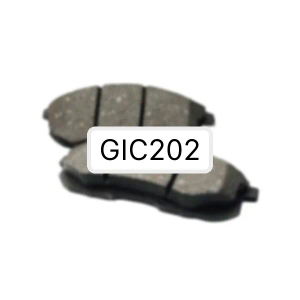
| Brand | TRW |
| Weight | 0.013 kg |
| Dimensions | 100 x 7 x 135 mm |
About
TRW's GIC202 Warning Contact, brake pad wear is a vital part of modern braking systems. Its primary function is to monitor brake pad wear and alert the driver when necessary. By doing so, it enhances safety on the road by preventing potential accidents caused by worn-out brake pads.
Brake pads are friction surfaces responsible for decelerating a vehicle by creating resistance against rotating brake rotors. Positioned within the brake caliper assembly at each wheel, they convert kinetic energy into thermal energy through repeated contact. Modern brake pads utilize composite materials—typically a blend of organic compounds, semi-metallic particles, or ceramic fibers—bonded to a steel backing plate for structural integrity. Friction material composition directly influences stopping performance, noise characteristics, and rotor wear. Pad design incorporates features like chamfers, slots, or shims to mitigate noise and manage heat buildup.
Dispatch time:
1 days
In stock
€
3.43
Excluding shipping costs
Shipping rates
Shipping to:
United States
10 years in the auto parts market
1 year warranty for all products
Worldwide delivery
Free return or exchange within 14 days
AllStockParts is a Fixparts company store that sells only items currently in stock at our warehouse in Latvia
Operated on DynamechContacts
Rēzeknes street 5B, Riga, LV-1073, Latvia
Reg.nr. 40103495107
VAT.Nr. LV40103495107
Have a question?
Send us a message on WhatsApp