ES20529-12B1 Delphi OXYGEN SENSOR
MPN:
ES20529-12B1
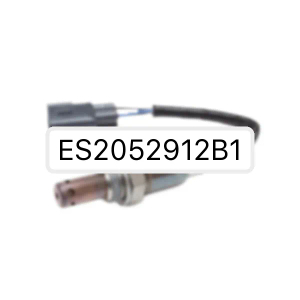
| Brand | Delphi |
| Weight | 0.12 kg |
| Dimensions | 50 x 55 x 150 mm |
About
An Oxygen Sensor is a crucial part of a vehicle's engine electronics system, responsible for monitoring oxygen levels in the exhaust gases. It is commonly used in engines with catalytic converters, where precise oxygen measurement is critical for efficient combustion and emission control. With its accurate readings, the sensor helps the engine computer optimize fuel injection, leading to better fuel economy and lower emissions.
Oxygen sensors, also known as O2 sensors, are crucial components in modern engine management systems, typically located in the exhaust manifold or downstream exhaust piping. These sensors measure the oxygen content in the exhaust gases, providing feedback to the engine control unit (ECU) to optimize the air-fuel mixture for efficient combustion and reduced emissions. Utilizing a ceramic sensing element with a catalytic coating, O2 sensors generate a voltage signal proportional to the oxygen levels. Variations include zirconium dioxide and titania sensor types, each with specific operating characteristics and response times. Many systems employ multiple sensors – upstream for fuel trim and downstream for catalytic converter monitoring – to ensure comprehensive engine performance analysis.
Dispatch time:
1-2 days
In stock
€
49.83
Excluding shipping costs
Shipping rates
Shipping to:
United States
10 years in the auto parts market
1 year warranty for all products
Worldwide delivery
Free return or exchange within 14 days
Have a question?
Send us a message on WhatsApp